Blog Feed

Hurom Video Resources – Recipes


These are the various video recipes we had prepared for you to use with your Hurom Juicers

Same Celery but Different Juices – Hurom India

Tofu making : Hurom

This summer enjoy delicious milkshake with Hurom

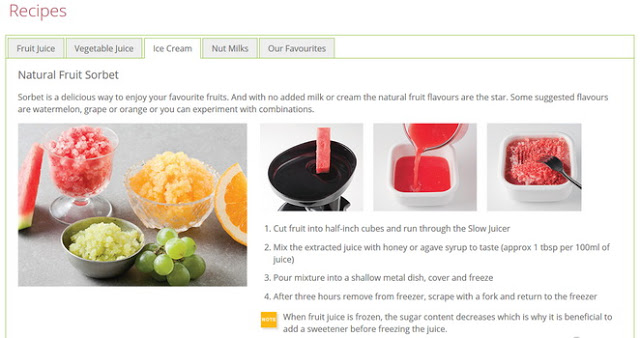
Make natural Ice Cream with Hurom Slow Juicer

Pear + Grape Juice with Hurom HE500 Slow Juicer

Orange juice : Hurom Slow Juicer

Make nut flavoured juice from Hurom HH Elite

Hurom Grape Jam

Hurom Slow Juicers and Recipe resources


With juice bars popping up in almost every city these days, juicing seems to be the new health nut go-to. People are trying out juice cleanses to shed pounds, detox, or just add a nutrient-packed snack to their diets.

What is Juicing

In essence, juicing is extracting the juice from whole fruits and veggies. Some people may wonder why it has become so popular in the past few years, especially since we can simply purchase ready-made fruit and veggie juices at the store. The nutrients in the store-bought juices, however, are nowhere near the quantity or quality of those in fresh homemade juices made from whole (and if possible, organic) fruits and vegetables, because the nutrients in store-bought have been pasteurized. Juicing allows the preservation of the natural vitamins, minerals and enzymes of the raw produce.

It’s also a great way for people who are not big fans of fruits and veggies to get their recommended six to eight servings a day. For example, people who do not like beets can juice the beets together with fruits and berries, and receive the nutrients found in beets (potassium, iron, vitamin C), and enjoy at the same time.

Benefits of Juicing

Juicing allows pre-digestion, or the immediate absorption of all of the nutrients from produce. Plus, juicing provides versatility in vegetables because it helps people to enjoy more veggies they may not typically like to eat whole.

Juicing can aid in the digestive process and give it a little break, because it takes less energy to digest the produce as a liquid than as solid foods, which take many hours after consumption to deliver optimal nourishment to the body.

It can also help in raising the pH balance in our bodies, and in turn, help to protect us from conditions related to acidic imbalances, including heart and kidney disease, osteoporosis, and diabetes.

In our specially prepared Online Resources for our Hurom juicer buyers, you can visit the following sections of Hurom resources

VIDEO RESOURCES

1) Getting Started with Hurom

If you are new with Hurom slow juicers or recently purchased a set, you can start here by looking at how to assemble the units, and how the various parts works. We present you a series of videos including the design of the juicers, and topics on nutritions.  

Hurom Video Resources – Getting started with Hurom Juicer

2) Video Recipes

When you are ready to go, we present a series of online video recipes, all using Hurom juicers.

Hurom Video Resources – Recipes

3) On Cleaning and Maintenance of the Juicer

These are a series of videos on how to perform quick cleaning and throughout cleaning for your unit.

Hurom Video Resources – Cleaning and Maintenance

4) PDF Recipes

Apart from the video recipes, we also compiled a few Slow juicing recipes found on the web.

Hurom Video Resources – PDF Recipes


5) FAQs

This contain all the FAQs on the Hurom Slow Juicers

Hurom HU Series Slow Juicers – FAQs

6) Online Manual

Buyers from our Online store will get a hard copy of the English version of the Hurom HU Series slow juicer

7) Hurom Quick Access Card

A specially prepared Quick Access Card had been included with the Juicer shipments that were purchased from us.

This quick access card is meant for access the various Hurom resources via your smart phones, either by entering the URL onto your phone’s web browser, OR you can simply scan the QR code provided using any QR Code App.

How to install the QR code reader

Search for “QR Reader” in your App Store or Google Playstore, and install, after which, you can start using the QR Reader app to scan the QR code and gain quick access to the various Hurom resources that we had prepared, for you to have quick access to them.

Hurom HU Series Slow Juicers – FAQs

Hurom HU Series Slow Juicers – FAQs

1. Most Helpful FAQs

1.1. My juice is a little pulpy, how can I fix this?

a) If  you have a Generation 1 juicer, make sure the yellow silicone tongue is fully inserted into its slot. This part is removable to assist with cleaning but often not reinserted correctly. It acts as a pressure point to ensure pulp ejects from the pulp tube. For Generation 2 juicers, set the Pulp Lever to the Half Open position to begin. Once juicing, adjust accordingly to maintain the required flow of pulp through the pulp outlet

b) The pulp outlet can sometimes get blocked if you feed the juicer too quickly. Please try slowing down the rate at which you feed product into the juicer.

c) Cutting your product into small, 3 to 5cm pieces is optimal for juicing, yield and reducing pulp.

d) Make sure you refrigerate your product prior to juicing. This will also give you a less pulpier juice.

e) Please also check that the silicon wiper blades have not worn.

f) Check that the holes in the strainer have not become blocked with food or calcium build-up. It is a good idea to soak the strainer and drum in a gentle detergent for a few hours once a quarter (we use Milton Antibacterial Tablets) as a blocked strainer can have a significant negative effect on the quality of the juice.

1.2. My Hurom was working fine however it has suddenly stopped working?

This issue is almost always due to the top section not being put in place or aligned correctly. There is a safety sensor embedded in the hopper that stops the motor from turning if all parts are not aligned correctly. Please re-align the strainer, bowl and hopper, and try again. If you are still having issues, please email us for further troubleshooting.

1.3. Which Strainer Do I Use?

The Fine Strainer will be your preferred strainer and we recommend that you use this the majority of the time. You should also only juice hard product such as carrots and beetroot with the Fine Strainer. The Coarse Strainer is suitable for juicing soft fruits and vegetables such as strawberries and kiwi fruit.

1.4. Over time, some staining has occurred on the drum and some build-up on the strainer. What can I do to remove this?

Soak the strainer and drum in a gentle detergent for a few hours once a quarter. We use Milton Antibacterial Tablets which work wonders in removing stains and unblocking any build-up in the strainer.

1.5. What is the difference between the HU Series Juicers?

The HU Series juicers all juice exactly the same way. The difference between them is purely aesthetics plus the HUZK24FR & HU-1100WN come with a Brushed Stainless Steel external housing whereas the HU-600WN come with a high quality plastic housing. There is no difference in the functions or the way they juice.

HUZK24FR is a later model than HU-600WN, HUZK24FR is designed to be a compact model without losing any features, it weights only 4.6kg as compare to HU-600WN’s 6.2kg, and a smaller footprint with width of 199mm as compared with HU-600WN’s 239mm.

For our package bundling, HUZK24FR & HU-1100WN comes with 2x300ml Hurom Glass juice bottle, HU-600WN comes with 2x300ml Hurom plastic juice bottle

2. Preparations

2.1. What’s the best way to prepare fruits, vegetables and leafy greens for juicing in the Hurom Juicer?

Vegetables

We recommend preparing your vegetables by cutting them into a size so that the pieces will just fall through the feeder chute without needing to be pushed down. Chop carrots into half-inch discs and all other root vegetables such as beetroot to a similar size.

Fruits

Ensure you cut pieces into a size that will easily drop down the feeder chute. Remove skins from citrus fruits. If the Hurom becomes clogged then this can be remedied by feeding a different textured fruit or vegetable through.

Leafy greens

Roll leaves into cigar shaped parcels and then fold them in half, ensuring that the size is not too big for the feeder chute. You may notice with some shinier leafy greens that they can on occasion clog Hurom – this can be remedied by adding a few pieces of carrot or other fibrous vegetables which then clears the mechanism. Also, wet leaves will not pass through the juicer as well as drier leaves so when washing produce, pat it dry with a kitchen towel before inserting into the Hurom.

2.2. Do I need to core apples before juicing?

Yes it is best to core apples before juicing. We recommend using a quality apple corer available from most homewares stores.

2.3. What are the best apples for juicing? 

We find that chilled granny smiths, cored are the best.

2.4. Do I need to peel citrus fruits before juicing?

Yes. Firstly, the Hurom is not a peeling device and secondly juiced citrus peel doesn’t taste that great. Also, we’ve found that attempting to juice whole pieces of orange and lemon peel can clog the Hurom and has on one occasion broken the strainer in our test labs. So definitely don’t do it.

There is one exception to this rule and that is lemon rind. We’ve found that juicing whole lemon (flesh and rind) works really well with green apple juice and also is required in some medicinal recipes. The ideal proportions are 1/2 lemon + 2 Granny Smiths apples. The only rule though is to cut the lemon into small pieces so you don’t encounter issues as described above. Cut a 1/2 lemon into about 8 pieces and you should be fine.

2.5. Do I need to refrigerate fruits and vegetables before juicing them?

Apart from tasting better when juiced, refrigerated fruits and vegetables will provide a higher yield of juice than room temperature product. This is because the fibre in refrigerated product is firmer when chilled and consequently provides more juice when crushed in the Hurom compared to a softer/warmer fruit or vegetable.

For these reasons, we strongly recommend refrigerating all product you plan juicing in the Hurom.

2.6. What’s the best way to prepare nuts for making nut milks?

We recommend raw almonds as the best nut (although it is actually classified as a kernel) for making milks with. All nuts should be soaked for 12-24 hours and then rinsed thoroughly before feeding into the Hurom simultaneously with water – we have found that 250gms of dried nuts makes a good, creamy 1 litre of milk. Add more nuts to water for a creamier consistency.

Use only raw nuts and avoid any roasted/cooked nuts. Other nuts worth trying either in combination with almonds or alone are: brazils, macadamias, hazelnuts, walnuts and pecans.

We also recommend adding agave syrup, maple syrup, cacao nibs, dates (with stones removed), apple juice, cinnamon as sweeteners and flavour enhancers to your favourite nut milk.

3. What To Juice

3.1. What can I juice with a Hurom and what should I avoid?

The Hurom can juice just about all types of fruits and vegetables except the below;

o Coconuts

o Seeds

o Unsoaked/roasted nuts

o Legumes

o Sugar Cane

o Anything frozen

o Fish/Meat

o Liquorice root or other woody materials

o Dried herbs / spices

o Stone fruit with stones in

3.2. Can I grind seeds, grains or legumes with the Hurom?

All of these require specialist mills for grinding. The Hurom is not capable of such a task and warranty will be voided if this is attempted and damage occurs to the Hurom.

3.3. Can the Hurom make pasta?

No.

3.4. Can the Hurom make cold press olive oil?

This is a different process to juicing and requires different machinery. The Hurom is not able to make oils from olives or any other fruit/vegetable.

3.5. How does the Hurom cope with fibrous items such as celery and vanilla pods?

The Hurom has no blades so some fibrous fruits and vegetables that have a “stringy” construction need to be pre-cut before juicing. Simply cut items to a short length of half an inch to avoid fibres getting wrapped around the internal mechanism.

3.6. Can I make frozen sorbets with the Hurom?

No. The Hurom is not designed to crush frozen items and doing so will likely result in damage to the strainer which will not be covered by the manufacturer’s warranty. We understand that some folks have been doing this on YouTube but they will inevitably end up breaking their machine by doing so and this is not covered by any warranty provided with this machine.

You can, however, use the Hurom Cold Press Juicer to prepare juice and then freeze to make a delicious sorbet or ice cream. Please see our Recipes page for some ideas.

3.7. Can I make nut butters with the Hurom?

You can make nut butters with the Hurom but it can be a little tricky. We recommend removing the wiper blade attachment. You should activate the nuts by soaking beforehand (check web for guides for specific nuts) and then rinsing. This will remove the enzyme inhibitors contained within nuts and will make them more digestible.

Note that the Hurom will eject some of the nuts paste through its waste chute. This can be mixed in with the remaining paste which will collect in the main housing of the Hurom. We do not recommend attempting to make any more than 500gms of nut butter at any one time.

3.8. Do you have a Nut Milk primer available?

Yes! Here goes…

Firstly, you should soak your preferred nuts (use RAW nuts not roasted) in water for between 4-12 hours and then rinse them. This removes the enzyme inhibitors (nature’s protective coating) which makes for a plumper, easier to juice nut as well as a more digestible nut milk.

Almonds make the creamiest milk but require the longest soaking (overnight minimum) – we recommend experimenting with other nuts and combining them – pistachios and almond milk is amazing!

Generally speaking, 250gms of nuts will produce a nice creamy litre of milk. Of course this is all down to personal preference and simply add more nuts / less water for a creamier milk or less nuts / more water for a thinner milk.

Once you’ve soaked and rinsed your nuts, place them in a bowl and get a bottle of water containing your desired amount of water (we recommend a bottle as it’s easy to maintain a slow and constant stream of water into the Hurom).

Now switch the Hurom on and start placing handfuls of nuts into the Hurom feeder chute whilst slowly pouring the water in at the same time. The goal here is to be placing your last nuts into the feeder chute just as the water runs out. This takes a few times to get right but the results are well worth it.

Flavourings:

So this is where the fun starts – you can simply add any of the following items in with the nuts and the Hurom will do a great job of blending them in with the nut milk… As with anything you put into the Hurom, pre-cutting larger items will deliver better results and less blockages

o Dates (PLEASE remove the stones) – dates make a great sweetener for the milk without an overbearing taste – buy the moist plump organic ones from your local health store, avoid the harder mass manufactured varieties sold in colourful bags in supermarkets

o Figs – chop small and remove the stalk

o Fresh apple – chilled, cored Granny Smiths work best

o Cinnamon – for best flavours get the bark rather than the pre-ground varieties. Soak for 4 hours and then rinse – this softens the bark and makes it easier for the Hurom to extract flavour from – go easy though as it’s easy to overpower your milk with this stuff.

o Dried fruit – pretty much any dried fruit acts as a great flavouring and sweetener for your milk – just cut into reasonably small pieces and experiment! Don’t forget that dried fruits do have a high sugar content so don’t go too crazy! Less is more!

o Vanilla – avoid the processed stuff and seek out some good quality REAL pods from your local health store / deli. Cut into 1cm pieces and juice at the same time as your nuts. We recommend 1 whole pod per litre of milk. Pre-soaking the pod for a few hours will deliver better results. Unlike the nuts, you can use the water you soaked the vanilla pod in as the water to make your nut milk with.

o Pistachios – more than any of the other nuts, we’ve found that a 50/50 mix with almonds produces a divine tasting nut milk with a beautiful pale green hue to it. Sweetened with raisins or dates and you’ll have a drink fit for the Gods.

o Cacao nibs – Cacao nibs are broken pieces of the the cacao bean and the cacao bean is where chocolate comes from. Cacao in this form is really high in antioxidants and makes a fantastic natural chocolate milk when processed through the Hurom with nut milk. The cacao nibs are naturally quite bitter and therefore may require some extra sweetening – dates are a good partner here, as is agave syrup. Soaking the nibs for 4+ hours will ensure max flavouring of the milk – we recommend starting with 2-3 tablespoons of cacao nibs and experimenting to your own tastes from there. http://www.lovingearth.com.au import really high quality cacao nibs from Peru and are our favourite.

o Agave Syrup – agave syrup is a great low GI alternative to sugar. It’s very sweet and should be used sparingly – add to taste to your nut milk. http://www.lovingearth.com.au import a great RAW processed agave syrup from Mexico which we recommend

Additional filtering:

The fibre that remains in the milk after processing through the Hurom is no doubt good for you. However, some people may find prefer a super fine milk without any fibre residue. You can quickly and easily achieve this by pouring the milk through a professional culinary filter net

For coffees etc:

We’ve filtered almond nut milks (using the filter nets as described above) and had barristas froth the milk to surprisingly good results. Highly recommended!!!

4. Operating the Hurom Cold Press Juicer

4.1. The juice seems a little pulpy, how can I fix this?

a) Make sure the yellow rubber plug/tongue is fully inserted into its slot. This part is removable to assist with cleaning but often not reinserted correctly. It acts as a pressure point to ensure pulp ejects from the pulp tube.

b) The outlet can sometimes get blocked if you feed the juicer too quickly. Please try slowing down the rate at which you insert product into the juicer.

c) Cutting your product into small, 3 to 5cm pieces is optimal for juicing and reducing pulp.

d) Make sure you refrigerate your product prior to juicing. This will also give you a less pulpier juice.

e) Please also check that the silicon wiper blades have not worn.

4.2. My Hurom keeps jamming, how do I prevent this from happening?

The Hurom operates best when you find the right tempo at which to feed the fruits and vegetables down the chute and also the right size of fruit/vegetable.

Finding the right tempo comes with trial and error but listening out for the “scrunching” up of the piece you’ve just fed into the machine will tell you that the Hurom is ready for more.

We find that just starting slow in inserting pieces into the machine and gradually speeding up until the machine clogs will give you the best indication. The general rule is that harder vegetables like carrots need a bit more time than say apples of oranges.

In terms of size, a small amount of preparation in advance of juicing will ensure optimal results and the fastest juicing. We recommend that all matter should be cut to a size where it can just fall through the chute without needing to be shoved.

If the machine does clog and cut out then you can simply hit the reverse button for 2-3 seconds and this will unblock the offending fruit/vegetable and you can then continue juicing by switching to forward.

4.3. Can I re-juice the discarded pulp from the Hurom in order to get more juice?

The Hurom is very effective at extracting high yields from the first pass but some users do put through the discarded pulp again to try and gain more juice yield. The results vary from fruit to fruit so feel free to experiment!

4.4. Is the Hurom suitable for commercial environments?

The manufacturer’s recommendation for standard Hurom juicers is to run them for no longer than 30 minutes at a time with a suitable amount of time allowed for cooling in between. If your commercial environment won’t require usage beyond this then yes they are suitable however if it’s a busy juice bar, coffee shop or cafe, then we recommend that you go for the Hurom Commercial Slow/Cold Press Juicer as this can be run for 4 hours at a time.

It is also important that appropriate training be given to any staff within a commercial environment as the usual approach to commercial juicing of just jamming fruits and vegetables down a pipe can potentially cause issues.

4.5. How long can I keep a Hurom juice for before it goes bad?

There’s no specific answer to this as there are too many variables based on type of produce and storage method. We recommend drinking your Hurom juices immediately to enjoy maximum taste and nutritional benefits.

However, if necessary you can refrigerate juices: fruit juices tend to last longer from a taste perspective: 24-48 hours. For vegetable juice, unless you have vacuum storage containers we’d advise 12 hours max. At the end of the day, fresh juice should be consumed freshly made – all other options deliver sub-optimal results.

We’ve kept nut milks for 3 days refrigerated and they still taste great.

The old rule applies that mother nature gave us – your nose – if it smells ok then it probably is!

5. Maintenance and cleaning

5.1. What’s the best way to clean the Hurom and can I put the Hurom parts into a dishwasher?

We suggest buying a long handled dish washing brush with firm bristles and cleaning the Hurom immediately after juicing under a running tap. You will most likely find following this method means you won’t have to use washing up liquid – just keep an eye on your water usage though!

The manufacturer does not recommend using a dishwasher and nor do we. Using the method above is not only quicker but more effective as the juice and residue doesn’t have time to dry on and stain permanently. Save yourself bother and always clean your Hurom as soon as you’ve finished using it.

On occasion you can soak the removable parts (not the base unit containing the motor!) in a baby bottle cleaning solution. This does a great job of removing some of the juice stains that can build up over time.

5.2. Can I buy spares for the Hurom such as replacement wiper blades or jugs?

Yes, we can order the parts for your from the manufacturers. You can ask us to provide quotation for the parts that you required.

5.3. Rubber stopper on the underside of the drum – what purpose does it serve?

The rubber yellow stopper acts as an ejection device for the pulp. When inserted into its slot, it pushes pulp out of the pulp tube and generally keeps the tube from blocking.

It’s designed to be unplugged from the slot so that the ejection tube can be cleaned easily.

Always make sure you re-insert the plug prior to juicing. Attempting to juice without inserting the plug into its slot causes the Hurom to juice inefficiently and the pulp tube to become blocked.

It can be easy to forget this so get into the habit of checking on this before you juice each time.


Hurom Video Resources – PDF Recipes

Recipe Resources

The following are some of the recipes that you can find online, we had consolidated for some of our buyers of Hurom Slow Juicers.

Juiced! The Healthy Way

Over 50 Delicious Fresh Juice Recipes inside by Kevin & Annmarie Gianni

Recipes for Living Juice

34 pages of recipe published by Vitality4Life

Slow Juicer Recipes by KitchenAid

This is another recipe book publishes by KitchenAid

100 Gourmet Recipes For The Slow Juicer

The above is a 10 pages sample of the recipes that you can order from Amazon 

Nutritional Facts on Veggies and Fruits 

Here is something interesting, 107 recipes that Goodlucktina had compiled that can be printed, each recipe is with detail nutrition levels.   107 Juicing Recipes for you!

http://www.hurom.com.au/recipes/

You can also find a series of Recipes published by Hurom Australia’s official site, which consists of 5 major categories – Fruit juice, vegetable juice, ice creams, nut milks & our favourites.

More Readings and Info

If you still need more readings material on Juicing and Hurom, you can read the following:

Hurom Juicing Recipes & Tips

4 pages of tips from Hurom Australia official site

Improve your Lifestyle with Hurom

27 pages of tips from Hurom Australia official site

You Deserve to Live healthy beyond 100 years

27 pages of tips from Hurom Australia official site

Xiaomi Roidmi 2s Smart Drive Edition Car Bluetooth Music Player FM Transmitter – Review

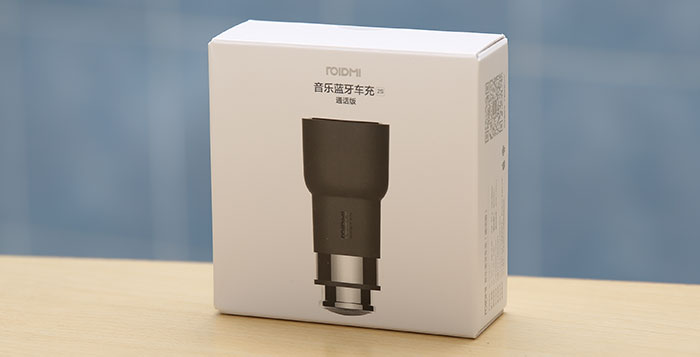
Roidmi 2s Smart Drive Edition

Roidmi is another company under Xiaomi ecosystem which produce the very premium looking USB car chargers for Xiaomi. 

Roidmi had previously released the “Classic Edition” of the Bluetooth FM transmitter, please read our review here.

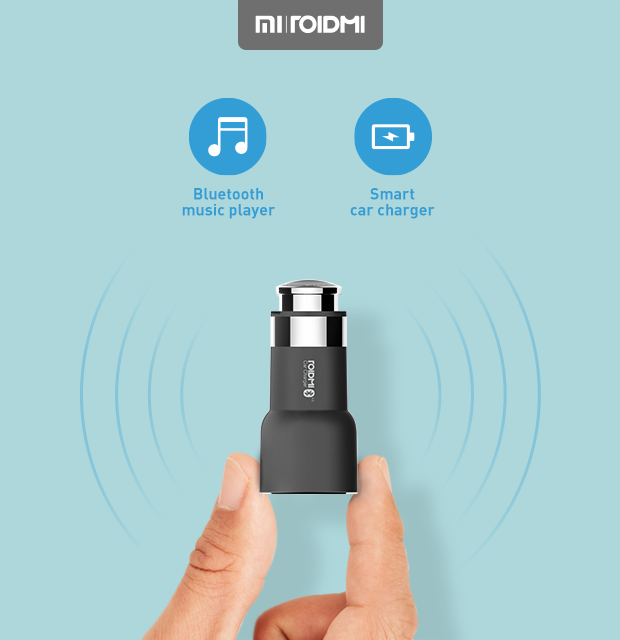
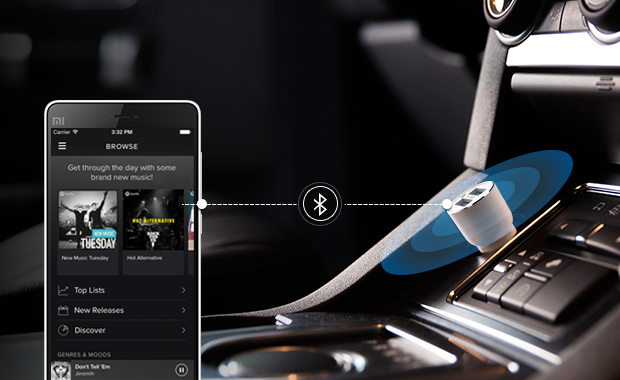
Roidmi had just released a new version of their popular Car Bluetooth FM transmitter that seamlessly stream music to any car! Listen to your favorite music, charge your device faster than ever.

The new version now supports hands free calls and Voice Recognition, as well as an IOS apps.

Simple Setup, Easy Streaming

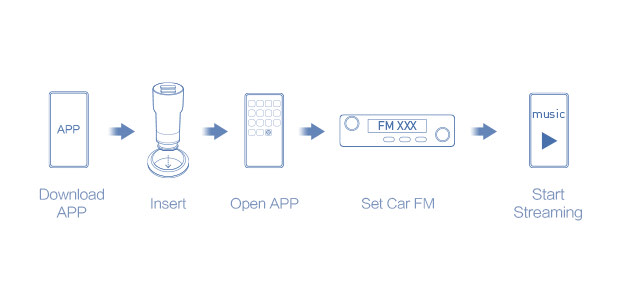
Just insert Roidmi 2s smart car charger into the cigarette lighter, connect to your bluetooth device via Roidmi app, let the app automatically scan for highest-quality FM radio stations for you, and start streaming your favorite music in your car. Roidmi 2s and Roidmi App are compatible with all mainstream music apps. With intelligent noise reduction, free radio connection, and high-definition playback, you turn your car into an entertainment center.

Fast Charging  Multiple Devices, Twice as Fast

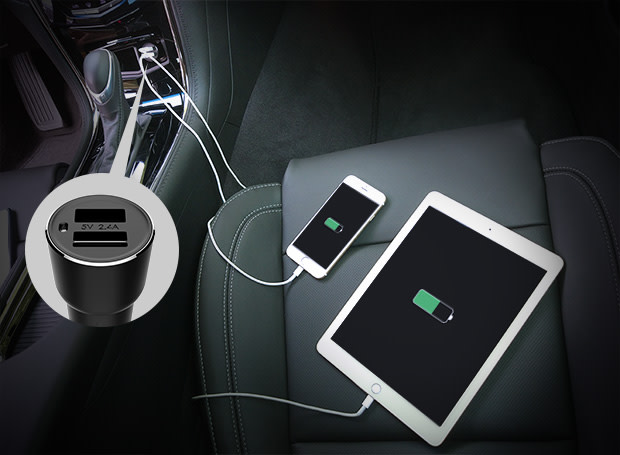
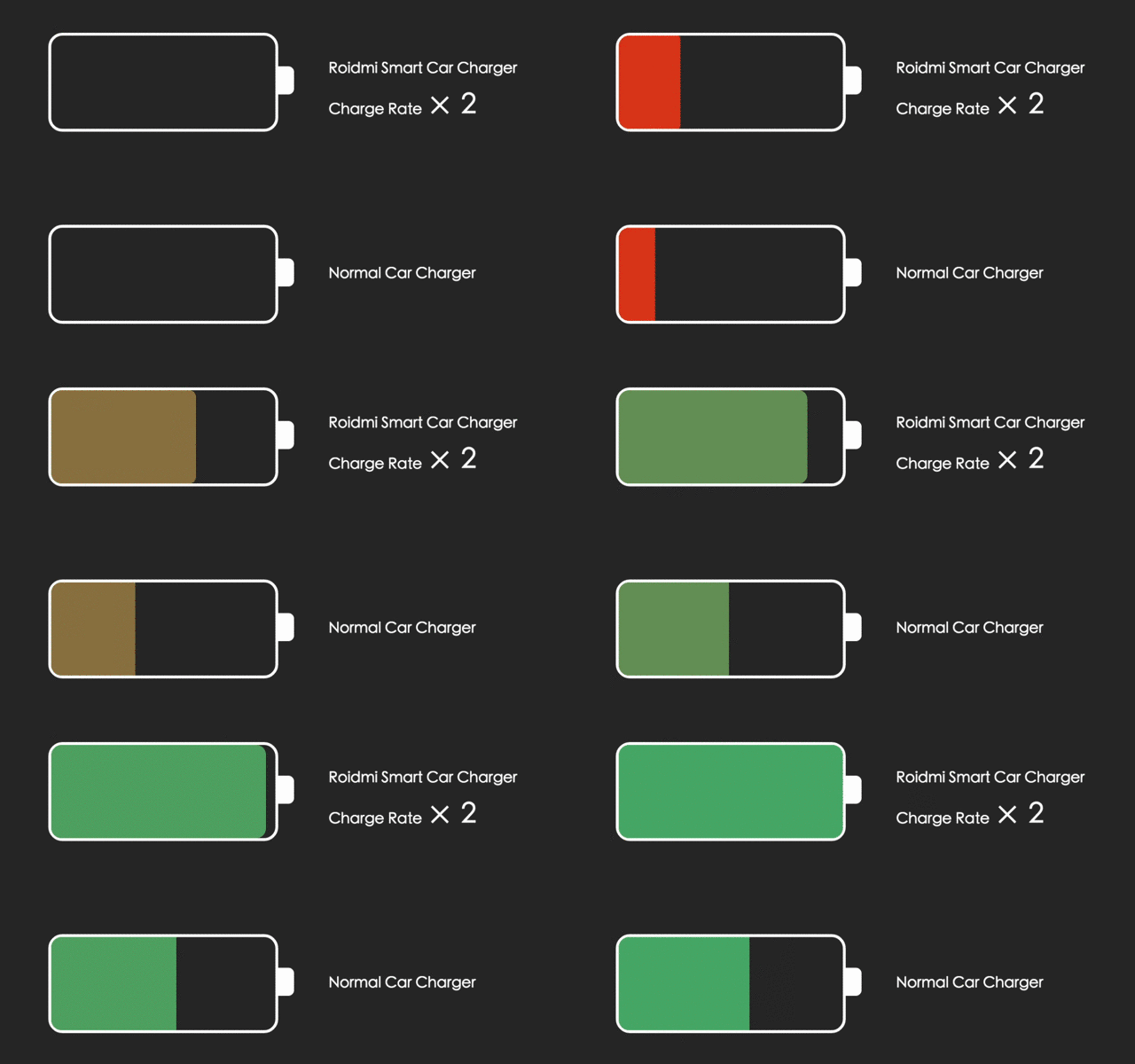
Roidmi 2s also provides you with the ultimate convenience of charging multiple devices in your car. Roidmi’s dual USB ports support accelerated charging with 2.4A for a single output, and 3.8A for a dual output. The suitable input voltage is 12/24V DC, creating 2X charging speed as normal car chargers. The 95% conversion rate of electrical energy also saves time and energy.

System Compatibility  

Roidmi 2s and Roidmi App are compatible with both Android and iOS systems, a better new if compared with the earlier “Classic Edition”, which only support Apps on Android, but not IOS.

Hands-Free Calling  No More Missing Calls (new features)

Roidmi’s built-in microphone makes for clearer, more effective hands-free communication and ensures a safer driving experience. Roidmi’s microphone possesses a unique background noise reduction function to increase clarity. When there’s an incoming call, just shake the phone to answer, and music streaming will be paused automatically.  

By simply shaking your phone, you can suspend music playing and receive phone calls.

Navigation Broadcast  Hear the Map on Your Phone

Roidmi 2s is also your navigation companion that broadcasts map navigation on your phone. Navigation broadcasting is another plus from Roidmi 2S. Don’t limit yourself from the speaker from your smartphone and missed out the route. Enjoy louder and clearer navigation guidance through car’s stereo. When the navigation broadcast is on, music volume is automatically reduced. Safely navigate to your destination, hands-free.

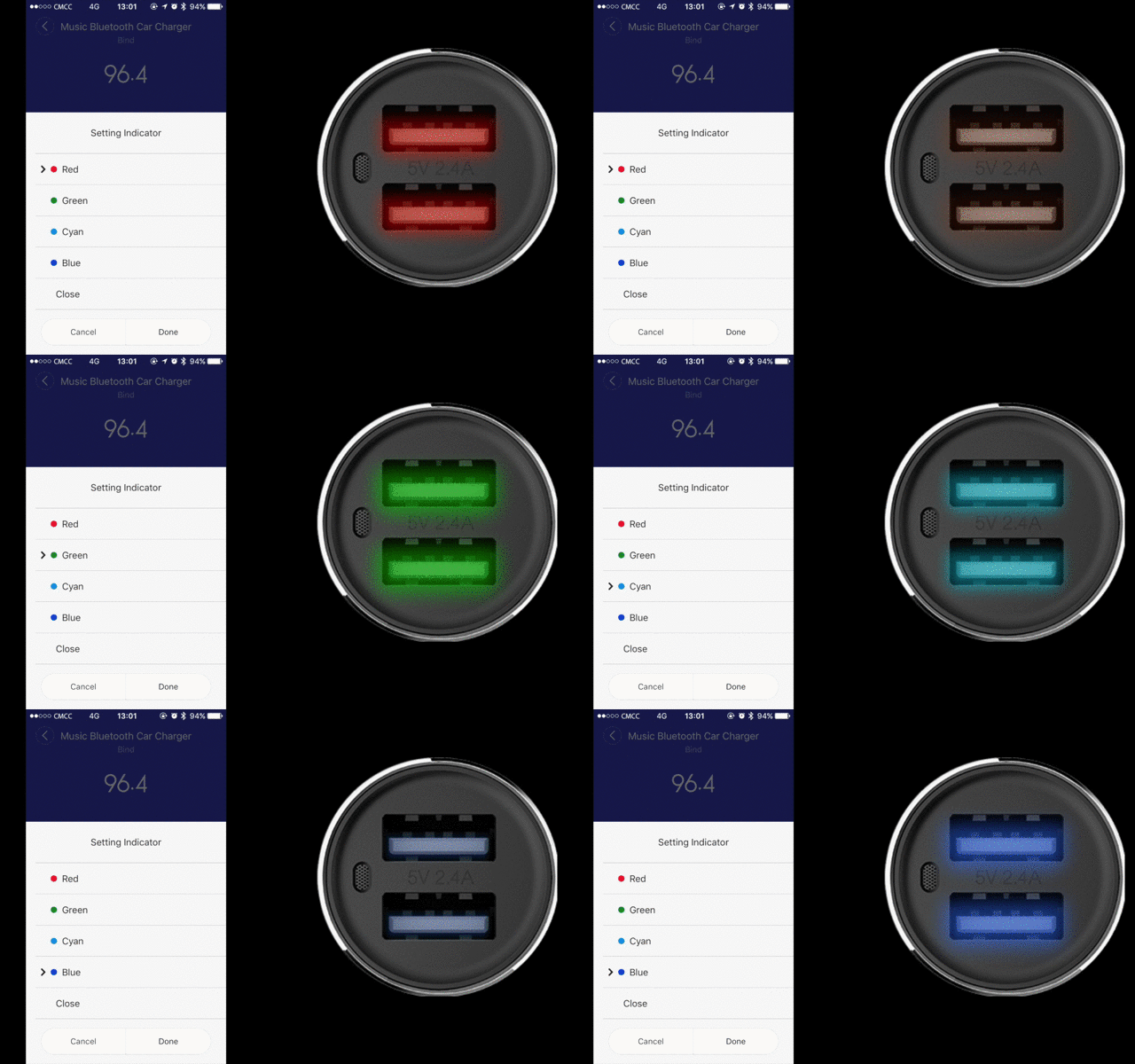
LED System – The USB ports are illuminated by LED lights that can be adjusted in the app

Battery Voltage Monitor Function 

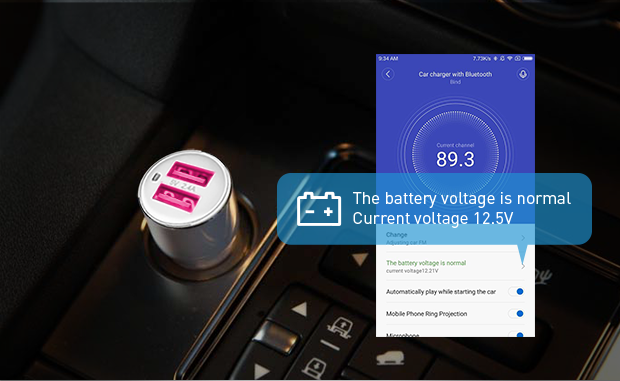
Roidmi 2s constantly monitors your vehicle’s battery voltage. When the battery is low, both Roidmi charger and app will alert you with red warning lights and warning sound, making for a safer driving experience.

FM Radio Scanning  

Roidmi 2s allows you to stream music safely while driving, with intelligent noise reduction, free FM radio connection, and high-definition playback. It scans for the highest-quality FM radio stations, combining with intelligent background noise-reduction function, greatly enhancing sound quality.

Roidmi Apps – Setting up

You can easily found the Roidmi app in Google Playstore or IOS’s Appstore. The following are some screenshots of setting up.

Note : Some screens, features and functionalities may varied between IOS and Android versions.

Boot-up screen

Sign-in using Mi account then set-up

Connecting via Bluetooth

Choose your main music player

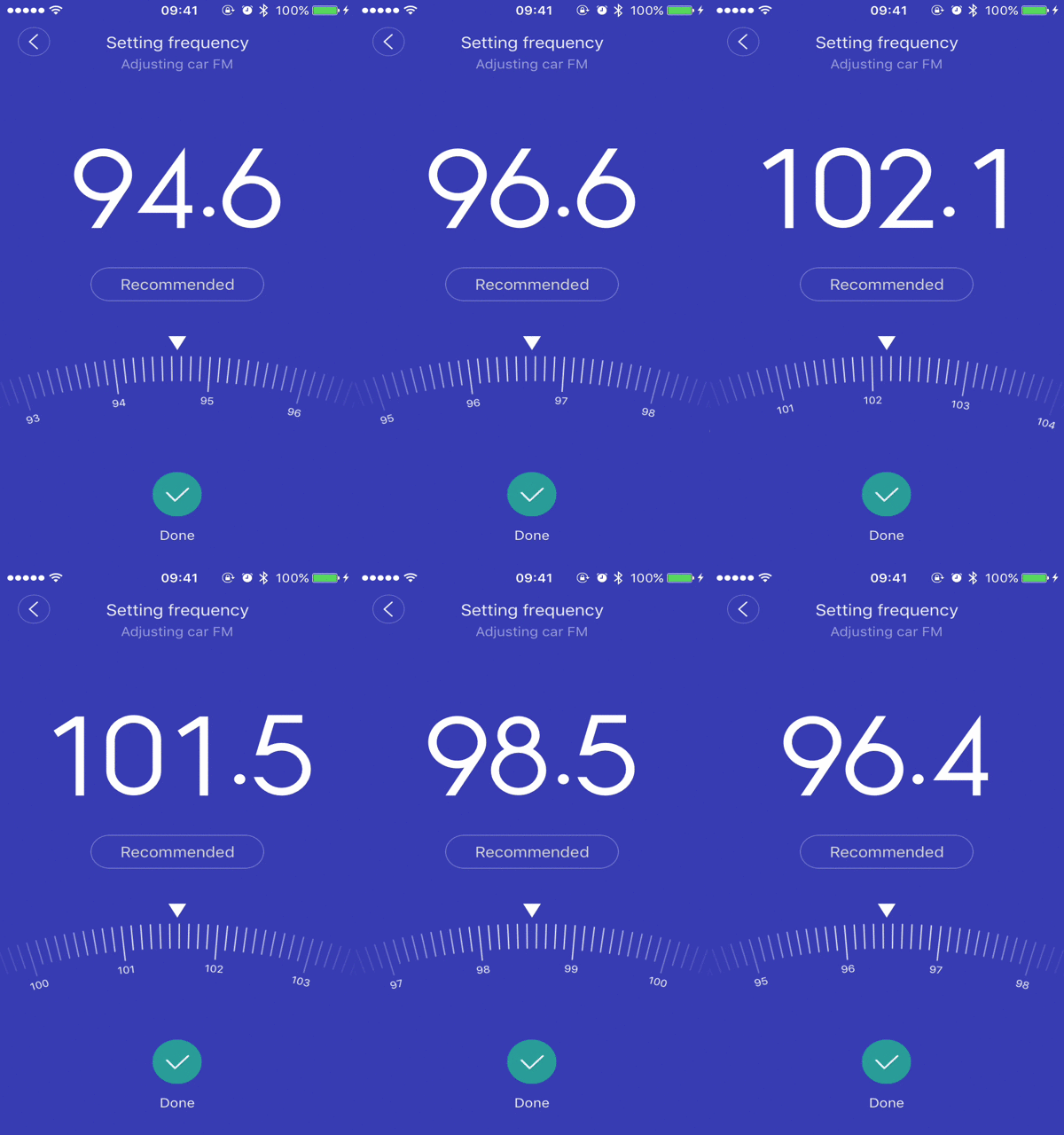
Set-up the corresponding frequency on your FM radio and you are done!

Hands Free Functions

Next up, we have the hands-free feature, You are able to use this smart charger to stream your call to your car’s audio too! And you will be able to converse with the built-in microphone on the USB charger.  They had also packed in a simple ‘shake phone’ gesture for you to take up an incoming call for conveniency and safer driving or the ‘shake phone’ gesture can also be use to switch your song to the Next song in your playlist.

Navigation Broadcast

Others than that, Roidmi 2S can also stream the navigation to your car’s audio further enhancing your driving experience. And it will automatically reduce the music volume when navigating broadcast is going on.

with this setting only music and navigation will be stream to my car’s audio

Battery voltage monitor function.  

Roidmi 2S will also helps to monitor your car’s battery condition. When the battery voltage is low, it will alert you with a alert tone via your car’s audio and also with the red LED lights.  For this, you just need to select whether you are driving a Small car or a Big car when setting-up the charger and there is a table in-app also which will tells you the battery health status.

LED Fundtions

The Roidmi 2S also comes with LED indicators which will dimly shine through the dual ports.  You can also choose what colors you want in-app.

Car Models compatibility

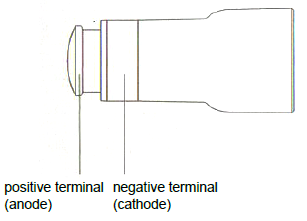
One major cons that we had observe is that, the total contact conductive electrode design of Roidmi 2S. It have some compatibility issue with some of the cars model and some buyers may find out their car is not under the supported models.

For cars that have the straight-through type cigarette hole which makes the Roidmi 2S unable to fit snuggly in the hole. So when the car vibrate or go through some bump it will get disconnected. But there is one simple workaround for this, you may just insert a small piece of paper to the side of the USB charger and it will fit nicely without affecting the connection.  

They specially design a adapter for the incompatible cars too which you need to purchase separately or you may just use a piece of paper to see if it works for you.

All about Air Purifiers and Formaldehyde

We spend majority of our times in-door

Since we spend so much time inside, it is important for us to learn how to reduce or eliminate this dangerous chemical from our homes.

Formaldehyde” is some terms where only scientists and high schoolers dissecting frogs tend to be familiar with the chemical.

What’s the big deal?

Formaldehyde is one of the most common toxic substances found in indoor air. Formaldehyde causes scary health problems like ulcers and cancer, yet it’s common in construction materials and new furniture. The people who should worry the most are people in new or recently renovated homes. Tests of new and renovated homes routinely find high levels of formaldehyde.

Formaldehyde causes cancer and it is pertinent to know more about its removal. You can find this deadly chemical in glues, paints, lacquers and finishes. Formaldehyde is a human carcinogen that is also used in permanent press fabrics and in paper products.

Not every air purifier can remove formaldehyde. In fact, the models you can buy in most department stores won’t have the filters required to remove formaldehyde and other dangerous chemicals.

What exactly is formaldehyde?

Formaldehyde is listed as a probable human carcinogen (cancer causing agent) by the U.S. Environmental Protection Agency. It is a very small molecule, about the size of a single molecule of water. However, even though it is extremely tiny, it packs a big punch. It’s probably best known to the public for its preservative properties – solutions containing formaldehyde have been used to preserve biological specimens and even in embalming.

The reason it is so effective at stopping bacterial growth is the same reason we don’t want it in our air; it is extremely poisonous. The cells in our bodies can be killed by formaldehyde as easily as bacterial or fungal cells are.

Formaldehyde is a colorless, flammable, non-smelling gas that belongs to a group of organic compounds called aldehydes, which are formed by the oxidation of alcohols. Another typical aldehyde is acetaldehyde, a common chemical in the environment that may also be formed in the body from the breakdown of ethanol. Suffering from a hangover? Now you know why.

The reason why people are starting to take notice is that formaldehyde has been linked to cancer over time and sometimes, exposure can lead to immediate health effects. The EPA lists symptoms such as watery eyes, burning sensations in the eyes and throat, nausea, and difficulty in breathing. These effects can often be seen in people who were exposed to elevated levels (above 0.1 parts per million). High concentrations may also trigger attacks in people with asthma. Some individuals may develop a sensitivity to formaldehyde after being exposed to the TVOC over a long time or in high concentrations..

What are the major sources of formaldehyde at home?

As you can see from the graphic above, sources of Formaldehyde Gas are common throughout most homes and can be steadily off-gased from lit cigarettes, storage cabinets made of particle board, subflooring, carpeting, wallboard, electronics, furniture, ceiling and flooring materials, door casings, insulation, household chemical products, and open stoves or heaters – just to name a few man-made sources inside.

Some common products that may contain formaldehyde:

  • Pressed wood products such as furniture and building supplies like particle board, paneling, and fiberboard.
  • Hair care products, especially hair smoothing products     
  • Plastic grocery bags     
  • Cosmetics and skin creams that contain quarternarium-15 (a preservative)     
  • Nail polish     
  • Paint     
  • Permanent-press fabrics/clothing and curtains     
  • Foam insulation (especially urea-formaldehyde foam insulation)     
  • Unventilated Gas stoves and kerosene space heaters (it is a natural by-product of combustion)   
  • Cigarette smoke
  • Cleaning products including deodorizers, furniture polish, and laundry stain removers     
  • Glue and adhesives

Formaldehyde is often found in nail salons. For example, nail hardeners contain formaldehyde among many other dangerous chemicals that are commonplace in nail salons.

Particle boards are one of the primary sources of indoor formaldehyde emissions.

How to measure formaldehyde?

You can measure the formaldehyde level using a portable Formaldehyde (HCHO) Indoor Air Quality sensor Tester meter that measure formaldehyde concentration in air.

It is widely used in interior decoration, decoration materials, chemicals, environmental monitoring and industries to detect the current gas concentration formaldehyde in the environment.

This item also measures TVOC in the air. Designed with electrochemical accurate HCHO sensor that measures up to 5ppm. It has wide LCD display with backlight function.

Display your readings in ppb or µg/m3 HCHO

Why formaldehyde is so hard to remove?

Formaldehyde is a tricky problem because it escapes from materials as a gas, and HEPA filters aren’t made to capture gases. We’ve heard companies claim that activated carbon can remove formaldehyde, but we’ve also seen companies selling sprays that claim to clear formaldehyde from your home. That sounds a lot like snake oil to us.

Different type of Filters

Due to the fact that most air purifiers rely simply on HEPA filters alone, these are great for filtering out fine particles, however, they are unable to remove VOCs (Volatile Organc Compunds)  such as formaldehyde.

The best option for chemical and odor filtration is granular activated carbon. Activated carbon is charcoal or another natural substance (such as coconut shell) that was treated with oxygen to make it very porous so that it can adsorb chemicals, gases and odors from gases or liquids. Adsorption (different from absorption) means that these volatile organic compounds like formaldehyde attach themselves by way of chemical reaction to the surface of the activated carbon, meaning they are trapped in there.

This means that air purifiers with activated carbon filters can eliminate formaldehyde and hundreds of other chemicals from the ambient air. Activated carbon has a high-efficiency rating when it comes to removing formaldehyde. In one independent test, an air purifier with an 18 lb. activated carbon filter was able to remove high levels of formaldehyde from a closed-off room in under six hours.  

So, if you combine an activated carbon filter with a HEPA filter, the air purifier will be able to remove chemicals such as formaldehyde as well as particles and provide better overall indoor air quality. The amount of activated carbon is important. The more activated carbon the more efficient and longer-lasting the filters.

Yes. Formaldehyde is very much a concern to you since it is used in so many household products and materials.

Formaldehyde exists in construction and building materials in most modern homes. It’s common in composite wood products such as plywood and particleboard. It may be in your home’s insulation. It is even used as a preservative in some medicines, cosmetics, fabric softeners as well as dish-washing liquids.

Formaldehyde is released in tobacco smoke, word-burning and gas stoves. So, chances are fairly high that you and your family (and pets, co-workers, etc.) are exposed to formaldehyde in your home or office.

All about Air pollutions, Xiaomi air Purifiers and Filters

Haze has been an ongoing problem in many countries in the Southeast Asia region, and Malaysia is one of the worst affected. The haze crisis grips the region nearly every year during the dry season, when agricultural land is illegally cleared by burning in Indonesia. During the haze period Malaysian skies will be a smoky grey for most of the months.

Get the latest API (Air Pollutant Index) readings from official site – http://apims.doe.gov.my/v2/

How does that affect our health?

First, we need to know some facts that most of us may not be aware of, even we are unconsciously every few seconds of our lives.

As the air that we breathe is almost invisible to us, we may not be aware of the ubiquitous killer that had threatened the health of our families, for both in-door and out-door air.

There are various threats present in the air that we breathe.

Where are air purifiers deployed?

We spend majority of our times in-door

Quality air purifiers have never been more important for good health. The tight seals that make your home comfortable and energy efficient also trap indoor air pollution. From cooking fumes and cleaning vapors to dust and pet dander, there is a wide variety of vapors and particles that pollute indoor air. Statistics from the Center for Disease Control (CDC) and Environmental Protection Agency (EPA) have shown that the air inside your home can be five to ten times dirtier than the air outside, and more importantly, Americans spend an average of 90% of their lives indoors.

Since we spend so much time inside, it is important for us to learn how to reduce or eliminate this dangerous chemical from our homes.

Type of filters

Different air purifier filters target different types of air pollution, and what they target depends almost exclusively on the type of filtration technology they employ. HEPA air purifiers are the most popular, and they are perfect for eliminating household allergens such as dust, animal dander, pollen, and other particulate. They are not very good at capturing ultra-fine particles like viruses or eliminating foul odors, organic compounds, smoke, or chemical fumes. Because different air purifier technologies have different strengths and weaknesses, many modern air purifiers combine two or more filter or media types in the same unit. 

The Xiaomi standard filter filter utilizes a HEPA filter along with a thick bed of activated carbon to help eliminate dust, pollen, and dander as well as things like smoke, odors, and chemical vapors.

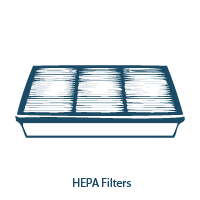
  • HEPA (High Efficiency Particulate Air) Filters set the standard for air purification. By definition, a HEPA filter removes at least 99.97% of all particles as small as 0.3 microns.HEPA filters allow only very small particles to pass through them. Allergens such as pollen, animal dander, mold spores, and dust get trapped in the filter. The main disadvantage of the HEPA air purifier is that you have to periodically change the filter. The main advantage: if it is HEPA certified, then you know it works well for all common particle allergens. However, not all HEPA filters are created equal. Size matters: the more square feet of HEPA filter, the more particulate it will be able to remove. The size, material, and construction of the actual filter media all play a role in the air purifier’s performance and may account for why one HEPA filter is more expensive than another.
  • Activated Carbon Filters are rarely used alone to purify the air, but they are often used in conjunction with other filters. Activated carbon/charcoal filters excel at adsorbing odors and gases and neutralizing smoke, chemicals, and fumes. When carbon is treated with oxygen, it opens up millions of pores. There are so many of these tiny pores and fissures that one pound of activated carbon has a surface area of 60 to 150 acres. This huge surface area makes it ideal for adsorbing gases and odors, providing an enormous surface area for potential bonding with chemical/vapor molecules. The larger the carbon filter, the more chemicals it will be able to absorb and the longer it will keep on working. When it’s full, when it can adsorb no more chemical molecules, it has to be replaced. 

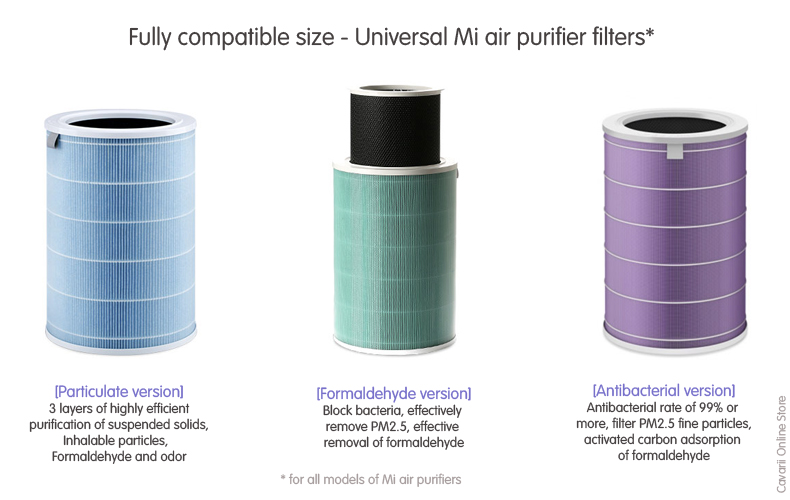
Among the 3 different types of Xiaomi air purifier filters, they are generally available as:

a) The green Standard Edition is ship as default filter with the generation 1 purifier, and is available separately as add-on items;

b) The blue Particulate Removal Edition is ship as default filter with the generation 2 purifier, and is also available separately as add-on-items;

c) The Formaldehyde Edition is sold separately as single item, and is not included as default filter in Gen 1 or Gen 2 purifiers;

Air Purifier Air Exchanges  

Most quality air purifiers operate efficiently and quietly in a one room environment. To be effective, an air purifier must have a motor and fan powerful enough to properly circulate air throughout the space. Once the air is pulled into the unit, it is filtered through various types of filter media, and clean air is released back into the one room environment to start the cycle all over again. The amount of time it takes an air purifier to cycle through all of the air in a room is referred to as an “air exchange.”

The more air exchanges per hour (ACH), the better air quality in the room. The number of air exchanges is determined by two things: the cubic feet (volume) of a room and the cubic foot per minute (CFM) output of the air purifier. All air purifier manufacturers list airflow ratings (in CFM) for each fan setting at which their machine operates. Ideally, you want to set a goal of 4 to 6 air exchanges per hour. There is no such thing as overkill when talking about air exchanges.

Proper Placement of an Air Purifier  

As a general rule, it is more difficult to filter the air in a large and open space, and this is mainly due to inadequate air circulation. Large living rooms and family areas, especially those with abnormally high ceilings, present a challenge to effective air filtration. Our rule with larger rooms is to attempt to direct the purified air exhaust from the air purifier to the vicinity of the rooms inhabitants. Inside a room, be sure to keep adequate space around the air purifier, typically 18″ or more. Most units intake air from multiple sides, and restricting this by placing the air purifier against a wall or piece of furniture will reduce efficiency.

In the bedroom, place the unit 6-10 feet from the headboard of the bed with the directional registers pointing at the bed. This is often far enough away to avoid feeling a draft but close enough that cleaned air is reaching you.

Most air purifier manufacturers implement a bottom to top airflow, meaning the air is pulled into the machine at the bottom and released towards the top.

All About Xiaomi’s Mi Smart Home App (Mijia)

Note : All features, descriptions and screen captured for this write-ups are accurate at the time of writing, but are subjected to changes due to the high pace of App changes and new devices being added, some features may no longer work, or some newly added. Some App interface may also change

Mi Home Mijia App

About the App
Mi Smart Home app is your home intelligent hardware management platform. You can interact your Smart Phone with all the Xiaomi smart hardware and achieve inter-operability between them, and experience the convenience of intelligent life.

Mi Smart home Apps currently can manage over 300+ Mi Ecosystem products, including the following Xiaomi products : Mi Air purifier Gen 1, 2, 2s, 3, PRO & MAX, Water Purifier, MiWiFi routers, Master Remote controller, MiTV, all versions of MiBoxes,  Mi Robot vacuum, WalkingPad A1, Sport shoes, Mi Smart Home Kits, Yi IP Cam, Yeelight LED Bulb, Smart Plug, Power Strip Panel, Internet Radio, Midea Air Conditioner, Aux Air conditioner, Junxing Air Conditioner and Philips Eyecare Lamp.

All the devices and settings are currently store on Mi Clouds, where you can easily backup and retrieve. Simply sign-in to the Mi Cloud with your Mi Account on a mobile phones, and all the saved configurations and settings are all retrieved on the new Smart Phones. 

Installing and Setting Up Mijia App

If you do not already have a Mi account, you need to create and register one, follow the 3 steps as shown in screens above. Please remember to check your email to activate the Mi account before you can use. Please remember to select “China” as country/region so that you can detect the devices that are only available in China.

1) Selecting your Hosting country / region

In the past, Xiaomi only provide their Cloud hostings in China and users of the Mi Smart Home App outside China regularly facing “time-out” or “connection problems” whenever they are registering for new devices under the App. This is mostly due to the great China Firewall or DNS settings in local ISPs.

Starting from 2016, Xiaomi had added more cloud locations for some of their major markets outside China, these locations include Singapore, Taiwan and India. You can now decide where to host your Smart Home App, where all your settings and configurations will be back up ONLY* to the cloud location that you had selected. If you switch region, you will not be able to retrieve all your previous settings from the previous region’s cloud storage.

To choose the Mi Cloud location, you must logout first, then select the location, and log in again.

* Please note, your settings will only be saved on the cloud servers that you had selected, i.e if you initially select your location as Chinese Mainland, if you later log in and select Singapore, your settings will not be available as they are never saved on Singapore servers.

Please Note:
Note : At the time of this writing, not all regions support all devices released from Xiaomi, if you are buying products only available in China market, you’ll probably still need to select Chinese mainland as the region. But due to the unpredictable China firewall, sometimes you may not be able to register and save your configuration & settings on Mi Cloud during the initial setup.

It is best to select China as the Region, as all devices released under Xiaomi Eco System can all be added to your Mijia, and only a handful are released outside China. IF you are die-hard fans of Xiaomi new devices, would be better to choose China as region, otherwise you will face problem in connecting these devices during the setting up.

What is the minimum Android and iOS version supported for this app?

At the time of this write-up the minimum version of the major two mobile OS supported are as follow:

      Android – 4.0 and above
IOS – 7.0 and above

But with the increasing addition of new Smart devices under Xiaomi’s Mi Ecosystem product series, the Apps are continuously being updated by Xiaomi, whether they will withdraw support for certain older OS, we do not know.

Where to get and install the Mi Smart Home App?

You can access the latest version of the App at the official App site – http://home.mi.com/index.html, which is only available in Chinese interface, or download them by scanning the QR code below.

You can also get them from the respective official app stores.

https://play.google.com/store/apps/details?id=com.xiaomi.smarthome

https://apps.apple.com/us/app/mi-home-xiaomi-smarthome/id957323480

** Please make sure you are downloading ONLY the official Apps and not from third party sources.


Setting up using Mijia App – Adding device

In the video below, a bit outdated on the App interface, you can look at how to install new devices in the Mi Home (Mijia) APP. The Mi home app supports a large number of Bluetooth- and Wifi- enabled devices from Xiaomi’s rapidly growing Mijia ecosystem

Further info
You can also visit their official Forum site for latest discussion and releases for Mi Smart Home App, but this site is only available in Chinese
http://bbs.xiaomi.cn/f-363

Xiaomi Roidmi: A FM modulator and ‘Smart’ & ‘Secure’ Car Charger


Xiaomi ROIDMI is a car charger but with the addition of Bluetooth and FM transmision function.

Xiaomi Roidmi as a Secure Charger

Although there is a variety and quality of car charger, nowadays. But if we go back to those years when most of the car chargers were of low cost, quite rudimentary and had very low amperage. Thus, they would experience the eternal burden and sometimes were unworkable. The most dangerous aspect of them was that the changing amperes in the car which could even produce a short circuit in the phone or the charger.

The Xiaomi Roidmi offers an amperage of 3.1 A. The amperage is divided into two ports, one with 2.1A and other with 1A. The first port can be used to charge a phone and other can provide support to a dash cam or any other low ampere device like a USB fan. In addition to this, the two ports are also illuminated with a blue LED.

Xiaomi has included several security measures in its charging. These measures includes an anti-short circuit system, protection against rises in temperature. It also has a system to detect the type of device and ensuring the best performance for that device.

Xiaomi Roidmi as a Bluetooth FM Transmitter

Apart from the main function of the device: charging gadgets, Roidmi also have some additional features.

The Roidmihas two wireless connections, a Bluetooth 4.0 connection and a FM transmitter. It enables it’s users to play music from their phones on the car’s FM tuner. This is something that may not be necessary because many new cars nowadays have an auxiliary connection or a Bluetooth system. But for those who are deprived from this technology in their cars, which we believe majority of the cars out there, for them Xiaomi Roidmi will be really useful.

Using it on an iPhone

You can connect Roidmi to your phone using the Mi Smart Home app, you can scan the QR code below and install the App on your iPhone.

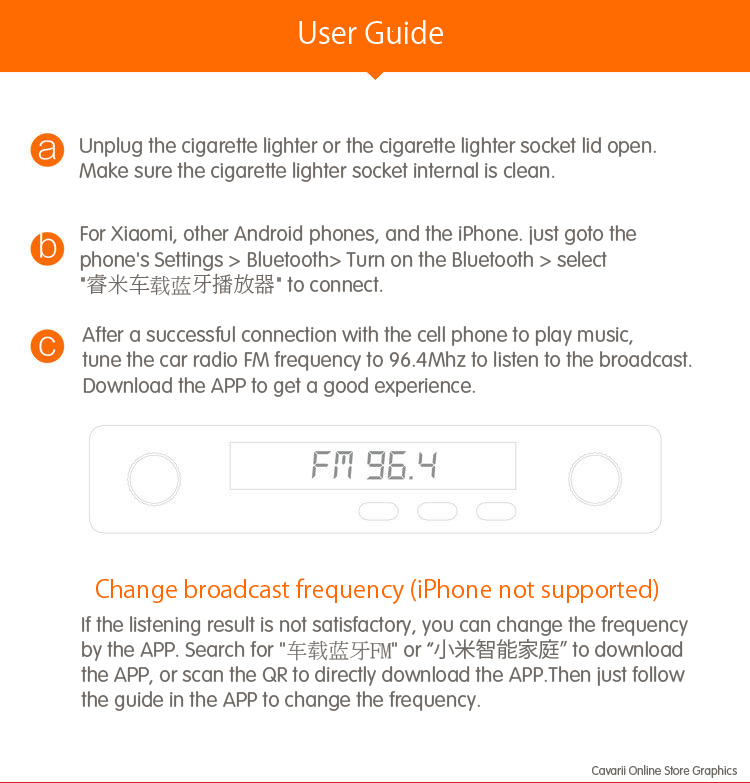
If you have an iPhone you must connect to Bluetooth Roidmi with the default frequency of 96.4MHz, which is pre-set when shipped out from the factory.

However, if the default 96.4Mhz crashes with an existing FM station frequency in your area, it will cause interference between the ROidmi and the FM stations’ broadcast. What you can do is to borrow an Android phone and install the Roidmi app (see QR code below), and manually search for a frequency on your car’s FM that ‘s not currently occupied by any FM station, then use the Android Roidmi app to set the broadcasting frequency to the unoccupied range.

Thereafter, your music streamed from your iPhone will sync with the Roidmi through bluetooth, and Roidmi will broadcast the music with the newly set FM frequency.

Using it on An Android Phone

As far as the radio is concerned, android smartphone is more likely to be used. Because you can use the intuitive Roidmi Driver Android app (see QR code above) to set the frequency at which it will issue the Xiaomi Roidmi thus avoid interference with other radio stations.

Supported Car models

Note: Before buying Xiaomi Roidmi, we must inform you that unfortunately it is not compatible with all cars. The seller offers the following list of unsupported cars:

PEUGEOT 301 / PEUGEOT 2008, DS 3 SKODA Fabia / Rapid Spaceback, TOYOTA Vois, Changan Mazda 2, Dongfeng Honda XR-V, Renault Captur, Honda Odyssey / City / Vezel / Crider / Shuttle, CITROEN Elysee.  No NISSAN, SUBARU or KIA for all models.

Installation steps

The following are translated from the original Chinese Manual coming with the Roidmi.

Main Specs

Installing unit

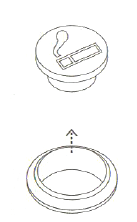
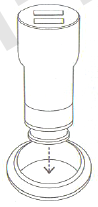
1. Remove the cover of the cigarette lighter (if any) in the car, and make sure there is no waste inside of the cigarette lighter.

2. Insert Roidmi to the cigarette lighter. When flashing, pair the Roidmi device via Bluetooth. When there is a steady light, pairing is successful and the device is connected via Bleutooth.

Setting Up using Roidmi App recommendations (for Android Apps only)

1. To install the player and Bluetooth connection, please read the installation guide in the Roidmi App;

2. The default frequency is 96.4MHz

3. After a successful pairing Roidmi with a smartphone, you can set the FM radio frequency via phone, or use an automatic search of FM frequency for broadcasting music files stored on your phone

4. We recommend an FM frequency in accordance with the recommendations of the App to maintain the highest sound quality;

5. If your smartphone does not find Roidmi, make sure that Bluetooth is enabled on your phone, and cigarette lighter has a power supply; if the device do not pair for a long time, try to connect to the new device via Smartphone or restart Roidmi.

Xiaomi Air Purifiers – Gen 1 and Gen 2 comparisons

Xiaomi Air Purifiers – Gen 1 and Gen 2 comparisons

Mi air purifier 2 is launched on November 24, 2015, it can be considered as the upgrade generation of the earlier Generation 1. Compared to the Gen 1 model, the biggest change was undoubtedly in its volume on a smaller foot-print, but also less space occupied. Mi air purifier Gen 2 is targeted mainly for small apartment users which can provide for purification area of 23-48 m².

Xiaomi has made the Air Purifier 2 lighter as well as smaller. As compared to the 735×260 mm laterally size Air Purifier 1, the Air Purifier 2 measures simply 520×240 mm.

The foot print area is also 15% smaller.

It houses a solitary electric motor, twin booster fans (which detoxifies at an effective variety of up to 39.6m²), The design of the Mi Air Purifier 2 was inspired by aircraft engines and comes with an anti-formaldehyde enhanced filter that’s replaceable. It also filters 99.99% of PM 2.5 particles and up to 92% of formaldehyde (a colorless, flammable, strong-smelling chemical that is used in building materials and to produce many household products).

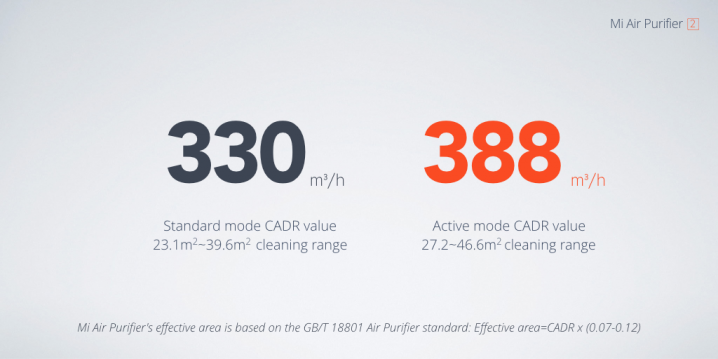
Xiaomi says the more compact design is made possible by a new single-motor, dual-fan design, which has enabled it to shrink its dimensions by up to 40 percent over its predecessor. However, its smaller size means that Air Purifier 2 has had to take a slight performance hit compared to the predecessor’s dual-motor design. Its Clean Air Delivery Rate (CADR), or the amount of air it cleans per minute, is now 330m³/h in standard mode, compared to the 406m³/h for the larger model.

Still, this can go up to 388m³/h in Turbo mode and Xiaomi says it can filter the air in a 23m² room in only 10 minutes.

In addition to the smaller foot-print compared to Gen-1, some optimization was also done to the motor, dual-fan blower motor design in Gen-1 is now reduced to single fan motor in Gen-2, this also allowed energy saving of 58% compared to Gen-2.

The above chart shows the different recommended room areas for different CADR value, so that air can be purified efficiently by the air purifier.

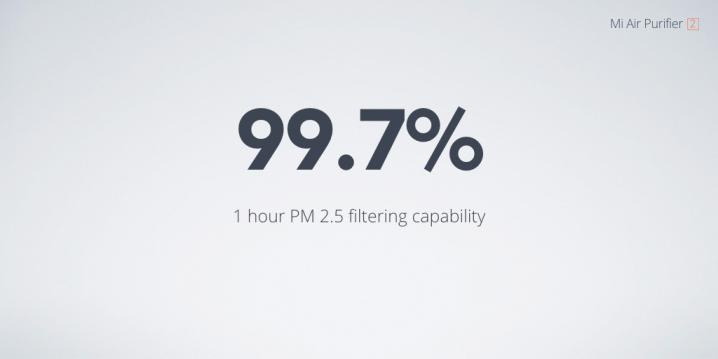
Although smaller in size, and the motor going through some optimization and changes, but its purifying effect does not seem to lowered, the one-hour PM2.5 purification can reach 97.7%.

In the purification capacity, CADR is now 330 m³ per hour for standard mode, and in the turbo mode CADR is 388 m³ per hour, clean up area from 27.2 – 46.6 m² (292 – 500 ft²), it takes 10 minutes to complete a purification process once for a 23 m² (250 ft²) room.The firm additionally urges that the Air Purifier 2 is substantially more power efficient – 58 percent even more power efficient.

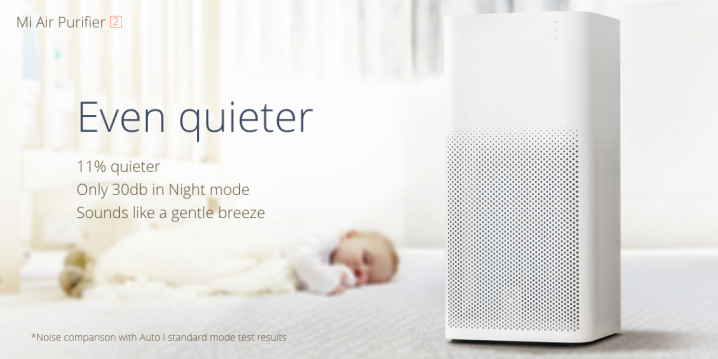
The company states that the newly improved device is now 11 percent quieter than in the first generation AP, and also makes merely 30db of noise when switched over to sleep mode.

The indicator LED is placed at 7.5cm from the ground, just to low enough to avoid the light interference when reading on the sofa or resting in bed.  The light sensor can be adjusted according to the indoor light LED brightness, the indicator can also be completely off.

Mi air purifier 2 is an intelligent air purifier with a WiFi connection to the phone, you can use Mi Smart Home App for live view of indoor air quality changes at home and will base on bedroom area to adjust according to the most appropriate mode of operation. It is smart enough to learn the user’s habits, such as automatically adjusted to sleep mode before you go to sleep, and  to automatically shut down when they go out.

New Addition – Control of new smart phone temperature, humidity sensor

Mi Air Purifier 2 had added the high quality Japan SHINYEI sensor, which provide real-time detection of indoor air PM2.5 content. The Air Purifier will change according to the data for air quality, and automatically switches to the optimum decontamination mode. In addition, AP2 also adds temperature, humidity sensors, which will provide mobile phone view on indoor air quality, temperature and humidity changes at a glance, helping you to always grasp the comfort of the indoor environment.

Coming to the mechanism, the Air Purifier 2 packs a quality Tri-filters: Pre-filter, HEPA filter and an Activated Carbon filter that comes with a filtering capability of whooping 99.7% of PM 2.5

Comparing the official specifications

Dimensions : First Generation is taller, second generation is smaller in size, the filter is common use for both generations.

Purification efficiency: First generation has better purification performance than 2nd generation, and with larger decontamination area as well.

Smart Module: Both generation 1 & 2 have WiFi module and air quality sensors, 2nd generation has added multi temperature and humidity sensors.

Power: First generation has maximum power consumption of 75W, 2nd generation has maximum power consumption of 31W.

Package Contents: Both generations has the same content, while the packaging size of 1st generation is much bigger, due to the taller size of the Air Purifieritself.

Purifier functions: Both generations have automatic mode, sleep mode, the switching mode switching, WiFi indicator, air quality indicator, particulate matter sensor, the difference is first generation has light sensor and Turbo mode, and the second generation has the Favorite mode.

Smart phone remote control functions: Both generations can be accessed through Smart phones for remote control functions, the second generation has a new temperature and humidity testing and comfort assessment functions.

Xiaomi Air Purifiers – Gen 1 and Gen 2 comparisons